AI is reshaping car manufacturing: Wiring harness production is ushering in an intelligent revolution.
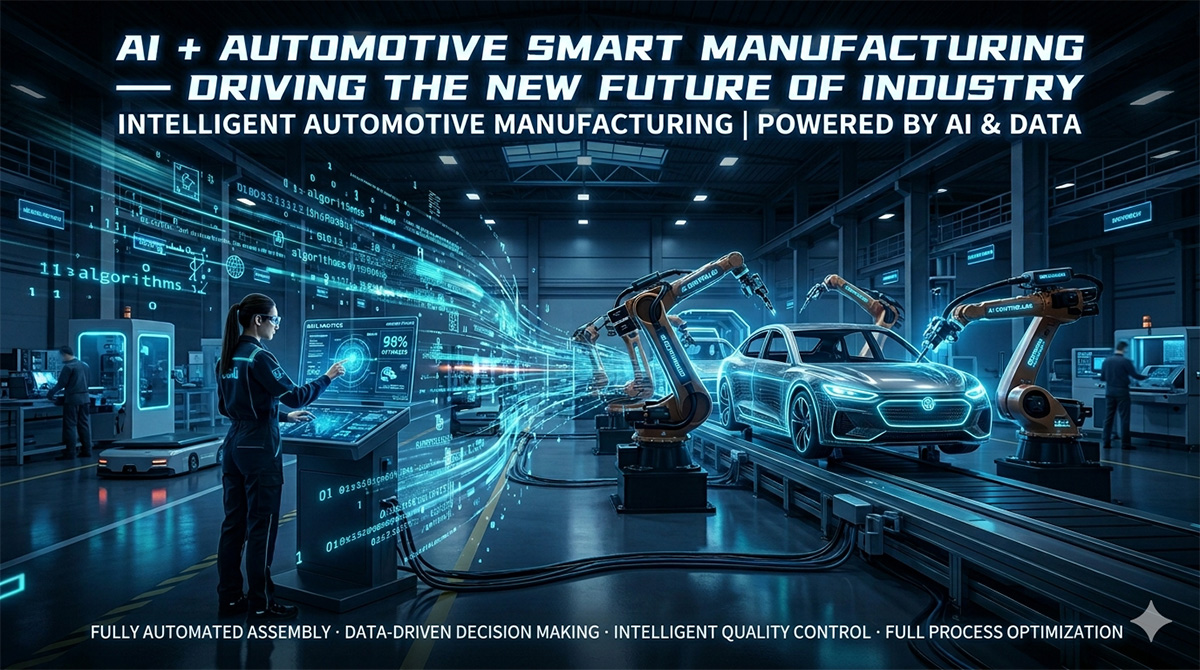
With the rapid development of new energy vehicles and intelligent vehicles, the global automotive manufacturing industry is undergoing an unprecedented technological revolution. In the past, automobile manufacturing relied heavily on mechanical automation; now, a new wave of intelligent manufacturing, centered on artificial intelligence (AI), is redefining the entire industry chain. From vehicle design and manufacturing to quality inspection and supply chain management, AI has gradually permeated every aspect of the automotive industry.
This change is particularly evident in the field of wire harness production.
Automotive wiring harnesses are known as the "nervous system" of a car, responsible for power transmission and signal communication. As the intelligence level of new energy vehicles continues to increase, the number of electronic components in vehicles is rapidly increasing, making wiring harness systems more complex. Traditional manual production methods are increasingly unable to meet the manufacturing demands for high efficiency, high precision, and high consistency. The introduction of AI technology is driving the wiring harness industry to comprehensively upgrade from "labor-intensive" to "intelligent manufacturing."
Wiring Harnesses: A Key Component in Automotive Manufacturing
A typical gasoline-powered vehicle usually has thousands of wires, while new energy vehicles, with the addition of battery management systems, smart cockpits, and autonomous driving assistance systems, have even more complex wiring harnesses. High-voltage wiring harnesses, in particular, place stricter requirements on processing precision, safety, and stability.
However, traditional wiring harness production has long suffered from several significant pain points:
- Complex processes and high levels of manual intervention;
- Errors are prone to occur in wire stripping, crimping, and terminal insertion;
- Low efficiency and high risk of missed inspections during manual testing;
- Increased production pressure due to diverse, small-batch orders;
- Continuously rising labor costs.
Against the backdrop of the rapid expansion of the new energy vehicle market, traditional production models are no longer sufficient to keep pace with the industry. The integration of AI and automation technologies is becoming a crucial direction for the upgrading of the wiring harness industry.
How AI is Transforming Wire Harness Production
AI Vision Inspection: Making Quality Control More Precise
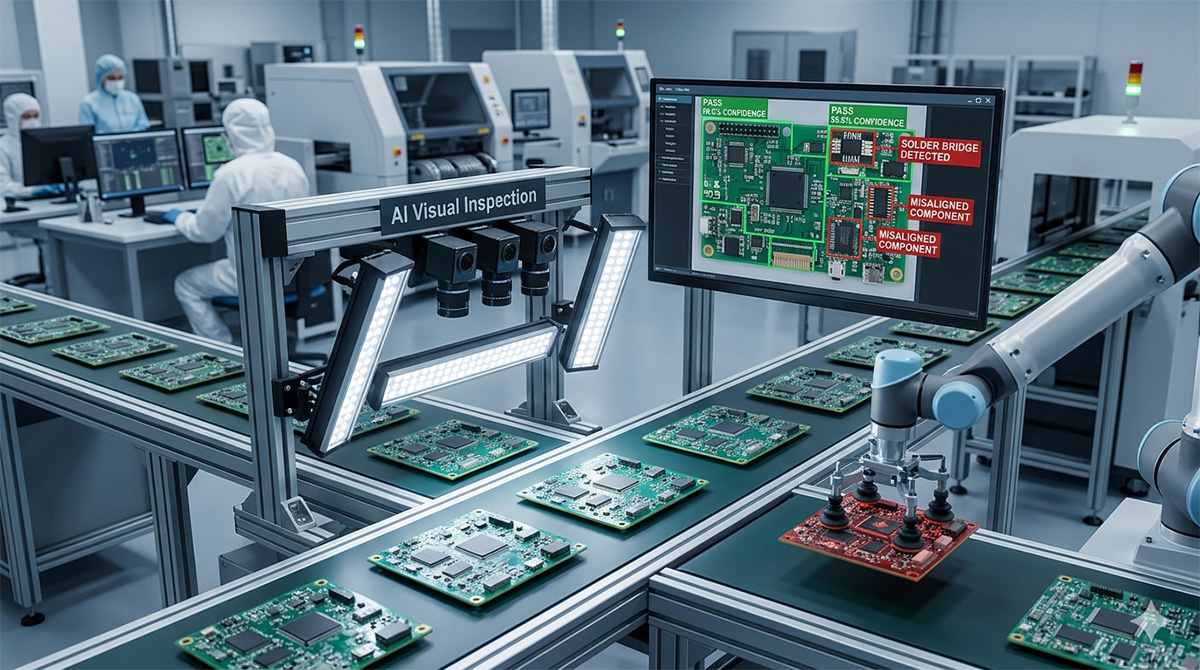
In the wire harness production process, issues such as crimping quality, wire sequence correctness, and terminal position directly affect the stability of automotive electrical systems. In the past, these steps often relied on manual visual inspection, which was not only inefficient but also easily affected by experience and fatigue.
Now, AI vision inspection systems are gradually replacing traditional manual inspection.
Through high-definition industrial cameras and deep learning algorithms, AI systems can quickly identify:
- Poor terminal crimping;
- Exposed copper wires;
- Incorrect insertion;
- Abnormal wire color;
- Label recognition errors, etc.
Compared to manual inspection, AI vision systems can operate continuously 24 hours a day, completing identification and judgment in milliseconds, significantly improving inspection consistency and accuracy.
More importantly, AI systems can continuously learn and optimize. As data accumulates, the recognition accuracy will continue to improve, thereby effectively reducing defect rates and rework costs.
AI Drives the Upgrade of Automated Equipment
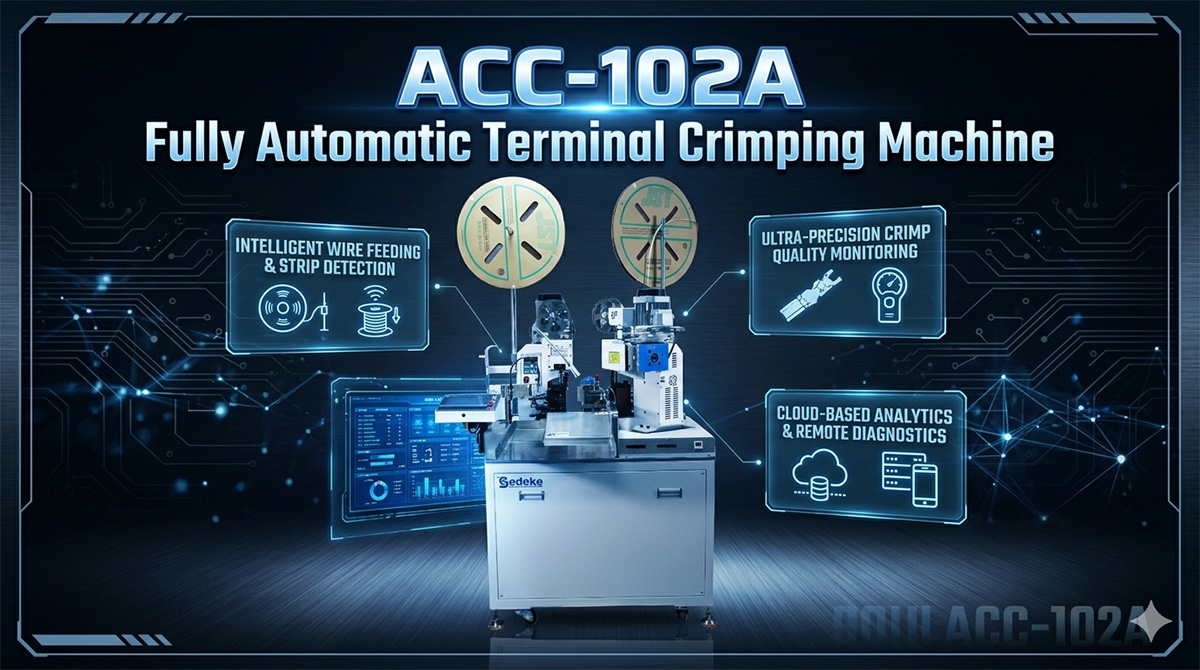
Beyond quality inspection, AI is also driving the intelligent development of wire harness processing equipment.
Take intelligent wire cutting and stripping equipment as an example. Traditional equipment typically requires manual parameter setting, while AI systems can automatically identify wire specifications and adjust:
Cutting length;
Stripping depth;
Processing speed;
Crimping parameters.
This not only improves production efficiency but also reduces human error.
In the crimping process, AI can automatically determine the crimping quality by analyzing the pressure curve in real time. If an anomaly occurs, the system will immediately alarm and automatically record relevant data, enabling full-process quality traceability.
For modern automobile manufacturing, data has become a crucial asset. AI equipment not only completes processing but also continuously generates and analyzes production data, providing a basis for companies to optimize processes.
AI-Optimized Production Scheduling
The rapidly changing new energy vehicle market and frequent model updates place higher demands on the flexible production capabilities of wiring harness manufacturers.
AI-driven production scheduling systems can automatically optimize production scheduling based on order status, dynamically adjust equipment resources, and improve overall production efficiency. For example:
Automatically analyze order priorities;
Reduce equipment changeover time;
Balance capacity across processes;
Optimize material delivery routes.
Combined with a Manufacturing Execution System (MES), companies can achieve transparent production management, monitor equipment status, production line efficiency, and quality data in real time, and gradually build a truly intelligent factory.
Tesla: AI-Driven Manufacturing Revolution
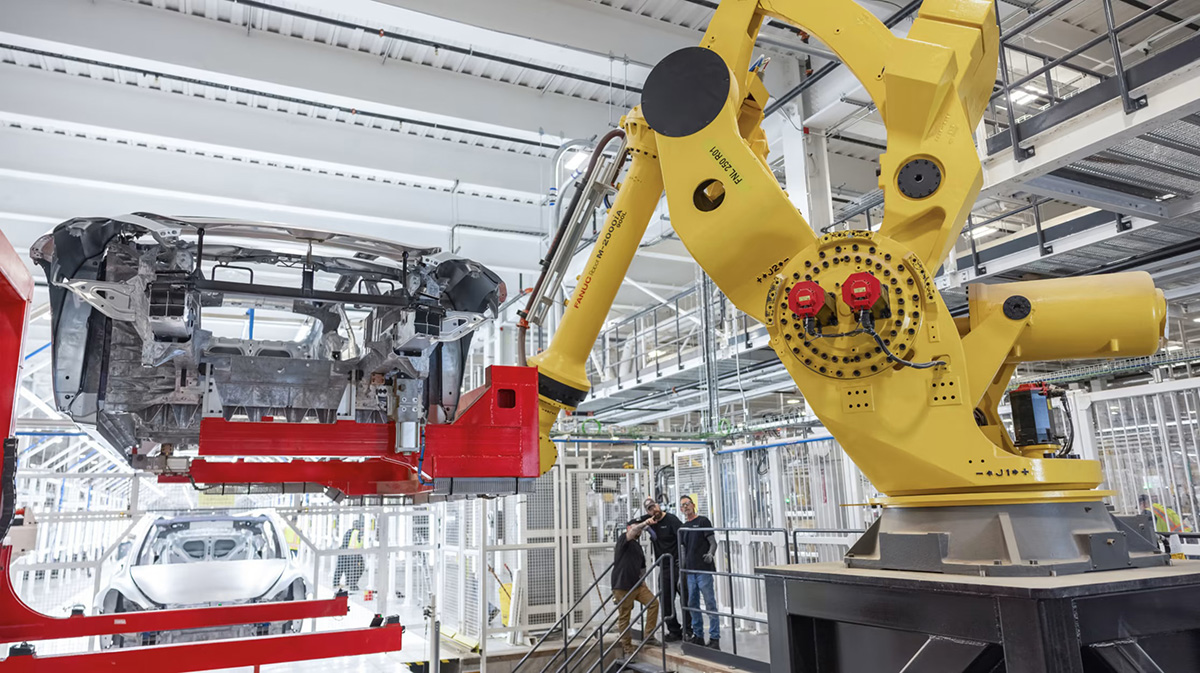
In the global new energy vehicle sector, Tesla, Inc. is undoubtedly a leading representative of intelligent manufacturing.
Tesla has consistently emphasized the concept of "highly automated production," continuously optimizing its automotive manufacturing processes through the deep integration of AI, robotics, and data systems.
In the field of wiring harnesses, Tesla has made a highly influential move—simplifying the wiring harness structure.
Traditional automobiles typically have complex and lengthy wiring harness systems, while Tesla has significantly reduced the length and number of interfaces by redesigning its electronic and electrical architecture. This not only reduces the overall vehicle weight but also improves assembly efficiency.
In recent years, Tesla has further promoted a "regionalized electronic and electrical architecture," centralizing the previously complex and distributed control systems to reduce a large amount of repetitive wiring.
This change is essentially a manifestation of AI and intelligent manufacturing thinking.
By analyzing production data and the overall vehicle structure with AI, Tesla can continuously optimize its manufacturing processes, reduce costs, and lay the foundation for the future development of autonomous driving and intelligent vehicles.
In short, Tesla is not just building cars; it is redefining the logic of automotive manufacturing.
BYD: Synergistic Development of AI and Vertical Manufacturing
If Tesla represents the pinnacle of intelligent technology, then BYD Company showcases the advantages of China's integrated new energy vehicle industry chain.
As a leading global new energy vehicle company, BYD possesses a complete industrial layout in core areas such as wire harnesses, batteries, and motors, and actively promotes intelligent manufacturing upgrades.
In wire harness production, BYD widely adopts:
Automated processing equipment;
AI vision inspection systems;
Intelligent warehousing and logistics systems;
Digital production management platforms.
Through AI technology, BYD can achieve:
High-efficiency production;
Rapid quality inspection;
Flexible order switching;
Full-process production traceability.
Especially in the context of parallel production of multiple models, the AI system can help factories quickly adjust production rhythms and improve delivery efficiency.
With the continuous growth of new energy vehicle sales, BYD is constantly expanding its investment in intelligent manufacturing, and AI is becoming an important tool for enhancing its global competitiveness.

Future Trends in AI-Powered Wiring Harness Manufacturing
In the coming years, the application of AI in the wiring harness industry will further deepen.
First, the trend towards "lights-out factories" will continue to accelerate. With the maturation of robotics and AI technologies, more and more production processes will achieve unmanned operation.
Second, digital twin technology will gradually become widespread. Companies can simulate production processes in real time through virtual factories, identifying process problems in advance and reducing trial-and-error costs.
Simultaneously, automotive electronic and electrical architectures are also changing. In the future, regional control architectures and central computing platforms will gradually become more common, and wiring harness systems will develop towards lightweighting and integration.
Furthermore, AI visual inspection will move from "sampling" to "full inspection," achieving end-to-end quality monitoring and data traceability.
It is foreseeable that future competition among wiring harness companies will not only be a competition of manufacturing capabilities, but also a competition of intelligent capabilities and data capabilities.
Conclusion
AI is reshaping the entire automotive manufacturing industry, and wire harness production is a key microcosm of this intelligent revolution.
From AI visual inspection to intelligent processing equipment and digital factory management, the traditional wire harness industry is undergoing profound changes. The development of new energy vehicles has not only increased market demand but also driven a comprehensive upgrade of manufacturing models.
Whether it's Tesla, Inc.'s innovation in electronic and electrical architecture or BYD Company's continued investment in intelligent manufacturing, both illustrate a trend: the core competitiveness of future automotive manufacturing is shifting from "mass production" to "intelligent production."
For the wire harness industry, AI is not only a technological tool but also a crucial driving force for industrial upgrading.
Whoever can complete the intelligent transformation first will have a greater chance of gaining a leading position in the era of new energy vehicles.

 EC-6100 Automatic Heat Shrink Tube Cutting Machine EC-6800 Automatic Cutting Machine EC-6100H Automatic Hot Cutting Machine EC-830 Corrugated Tube Cutting Machine EC-6500 Automatic Cable and Tube Cutting Machine EC-810 Automatic Cable Cutting Machine EC-850X Automatic Rotary Cutting Machine EC-821 Corrugated Tube Cutting Machine EC-890 Multifunctional Automatic Cutting Machine EC-870 High-power Automatic Tube Cutting Machine EC-816 Automatic Cutting Machine EC-823 High Speed Cutting Machine EC-805 Automatic Cable Cutting Machine EC-860 Corrugated Tube Cutting Machine EC-830F Automatic Tube Cutting Machine With Feeding System EC-830FS Tube Cutting Machine With Feeding System EC-3100 Automatic Cable and Tube Cutting Machine
 CS-BT802 Automatic Shield Braid Brushing & Twisting Machine CS-2023T Automatic Coaxial Cable Stripping Machine CS-0520 Semi-Automatic Coaxial Cable Stripping Machine CS-4507/6010 Multifunctional Wire Stripping Machine UniStrip 2016 Pneumatic Wire Stripping Machine UniStrip 2018E Electric Cable Wire Stripping Machine CS-5507 Automatic Coaxial Cable Stripping Machine CS-5515 Automatic coaxial cable stripping machine CS-400 Braided Shield Cable Stripping Machine CS Series Rotary Cable Stripping Machine CS-2486 Coaxial Cable Wire Stripping Machine
 TM-P01 Terminal Crimping Machine TM-20 Terminal Crimping Machine TM-20S Automatic Wire Terminal Crimping Machine TM-200 Terminal Crimping Machine TM-10P Registered Jack Crimping Machine TM-E140 Pre-insulation Ferrule Terminal Strip And Crimp Machine TM-E140S Automatic Wire Stripping Ferrule Crimping Machine TM-P300 Pneumatic Terminal Crimping Machine TM-E116 Electric Terminal Crimping Machine TM-P120 Pneumatic Terminal Crimping Machine SAT-AS6P Pneumatic Crimping Applicator SAT-MS6 Mechanical Crimping Applicator Side Feed Terminal Crimping Applicator Rear Feed Terminal Crimping Applicator Hexagonal Terminal Crimp Applicator Flag Terminal Crimping Applicator Crimp Applicator for Insulated Terminals TM-T Series Intelligent Servo Terminal Crimping Machine SAT-MS5 OTP Mechanical Applicator TM-25M Automatic Terminal Crimping Machine
 ESC-BX4 Wire Cutting And Stripping Machine ESC-BX30 Automatic Large Cable Cutting and Stripping Machine ESC-BX30S Sheathed Cable Automatic Cutting and Stripping Machine ESC-BXR Automatic Rotary Cable Stripping Machine ESC-BX6 Wire Cutting And Stripping Machine ESC-BX7 Wire Cutting And Stripping Machine ESC-BX8S Sheath Cable Cutting and Stripping Machine ESC-BX8PR Wire Cutting And Stripping Machine ESC-BX9 Automatic Cut and Strip Machine ESC-BX30SC Automatic Cable Wire Cutting and Stripping Machine ESC-BX120 Automatic Cutting and Stripping Machine ESC-BX30RS Multi-function Rotary Cable Stripping Machine ESC-BX120S Multi-core Cable Cutting and Stripping Machine ESC-BX60 Automatic Cable Cutting and Stripping Machine CS-9685 Coaxial Cable Cutting and Stripping Machine CS-9680 Automatic Coaxial Cable Stripping Machine ESC-BX300 Automatic Cable Wire Cutting And Stripping Machine ESC-BX16 Wire Cutting Stripping Machine ESC-BX20SF Flat Twin Wire Cutting and Stripping Machine ESC-BZ06 Wire Cutting Stripping and Bending Machine
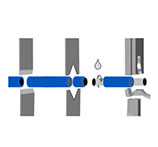 ACC-101 Automatic Single-head Terminal Crimping Machine ACC-102A Fully Automatic Terminal Crimping Machine (Both Ends) ACC-102B Automatic Double Terminal Crimping Machine ACC-105 Fully Automatic Single-head End-dipping Tin Machine ACC-106 Fully Automatic 5-Wire Single-head End-dipping Tin Machine ACC-202UP Fully-automatic cut,strip,crimp,insert and Heat Heat-shrink tube machine ACC-308 (Both ends) Full automatic Soldering machine ACC-208 Fully Automatic Crimping Machine (Both Ends) ACC-508 Fully Automatic Twisting, Soldering and Crimping Machine ACC-608 Fully Automatic Flat Cable Cut Strip and Crimp Machine
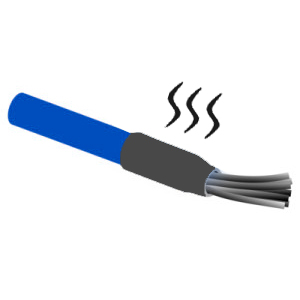 HSM-60 Heat Shrink Tube Processing Machine HSM-70 Heat Shrink Tube Processing Machine HSM-80B Heat Shrink Tube Processing Machine HSM-90 Heat Shrink Tube Processing Machine HSM-25M Heat Shrink Tube Processing Machine HSM-120 Heat Shrink Tube Heating Machine HSM-50 Heat Shrink Tube Processing Machine HSM-160 Heat Shrink Tube Processing Machine HSM-80A Heat Shrink Tube Heating Machine HSM-260E Enclosed Heat Shrink Tube Processing Machine HSM-260O Open Heat Shrink Tube Processing Machine HSM-20 Intelligent Heat Shrink Tube Processing Machine
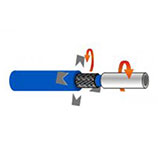 HV-CS 9070 High-Voltage Cable Shield Cutting Machine HV-FS 9053 Cable Shield Folding Machine HV-ACS 9100 Cable Shield Processing Machine HV-ACS 9200 Automatic Cable Shield Processing System HV-ACS 9300 Automotive High Voltage Cable Processing Machine HV-ACS 9500 High Voltage Cable Processing Machine HV-FC 9312 Aluminum Foil Cutting Machine HV-CS 9120 Cable Stripping Machine
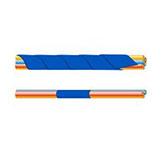 STB-10 Automatic Tape Bundling Machine STB-50 Desktop Bundling Machine STB-60 Adhesive Tape Bundling Machine STB-55 Desktop Tape Bundling Machine STB-50C Automatic Tape Cutting Machine STP-B Hand-held Taping Machine STP-F Hand-held Lithium Battery Tape Wrapping Machine STP-C Automatic Wire Taping Machine STP-D Automatic Tape Wrapping Machine STP-AS Automatic Tape bundling Machine
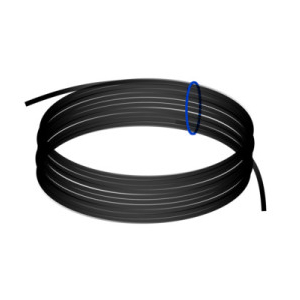 CB-B15 Automatic Wire Winding Machine CB-BT15 Automatic Wire Winding Binding Machine CB-F30/CB-F150 Series Automatic Wire Winding Machine CB-FT314/CB-FT1514 Automatic Wire Winding Binding Machine CB-FT348/1548 Automatic Wire Winding Binding Machine CB-B15CST Automatic Wire Coiling Binding Machine CB-F500 Automatic Wire Winding Machine CB-B30/150CS Automatic Wire Winding Machine CB-B10/15CS Automatic Wire Winding Machine CB-WT630 Automatic Wire Winding and Tying Machine
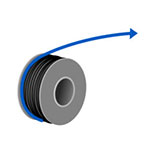 PF-820 Wire Prefeeding Machine PF-08 Automatic Wire Prefeeder PF-30 Automatic Prefeeding Machine PF-60 Automatic Prefeeding Machine PF-150 Automatic Wire Prefeeding Machine CC-380 Cable Coiling Machine CC-680 Automatic Cable Coiling Machine CC-380D Cable Coil Machine PF-120 Large Automatic Wire Prefeeding Machine PF-90 Automatic Wire Prefeeder PF-100 Automatic Prefeeder PF-04 Automatic Wire Prefeeder PF-06 Automatic Wire Prefeeder PF-05 Automatic Wire Prefeeder
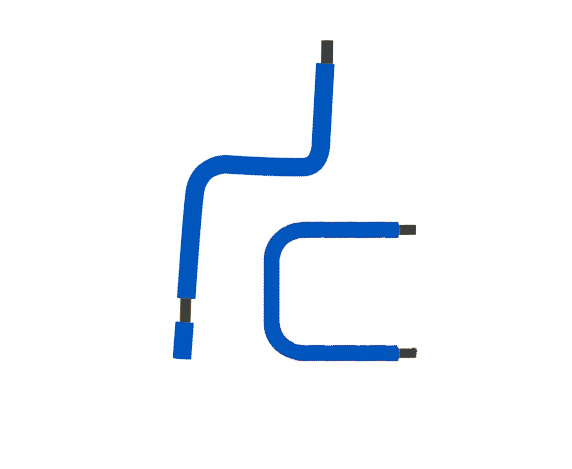
 CHM-402 Crimp-Height Measurer CHM-10 Crimp-Height Measurer PFM-220 Terminal Pulling Force Tester PFM-300 Terminal Pulling Force Tester PFM-200 Pull Force Tester For Wire Terminals TCA-120 Terminal Cross Section Analyzer TCA-120S Terminal Cross Section Analyzer TCA-150 Terminal Cross Section Analyzer PFM-50 Pull Force Measuring Machine